
Why Tailoring Still Matters in an Age of Fast Fashion
Modern menswear has changed quickly in the past twenty years. Clothes arrive faster. Prices are lower. Styles shift almost monthly. Fast fashion has reshaped how men shop, and how they think clothing should fit. Yet within this shift there is a quiet return to tailoring. It is happening in Sydney and in most major cities. It reflects a growing interest in craft, longevity and personal fit. The appeal is steady because tailored clothing solves problems that mass-produced garments cannot.
For men searching for custom suits Sydney, the reasons behind this shift are practical. They are also cultural. A suit is more than fabric and seams. It is structure, proportion and personal expression. These qualities are difficult to replicate when clothing is made at speed. Tailoring continues to matter because it takes those qualities seriously.
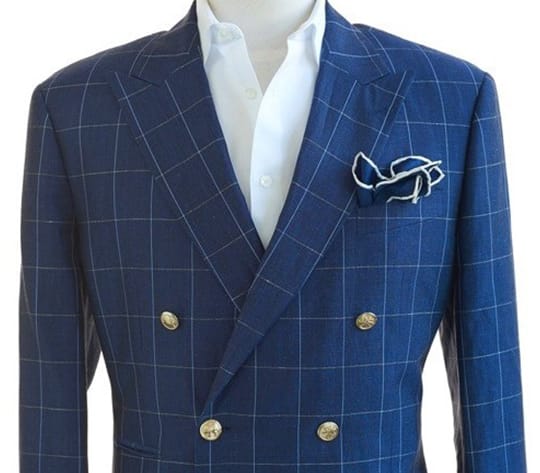
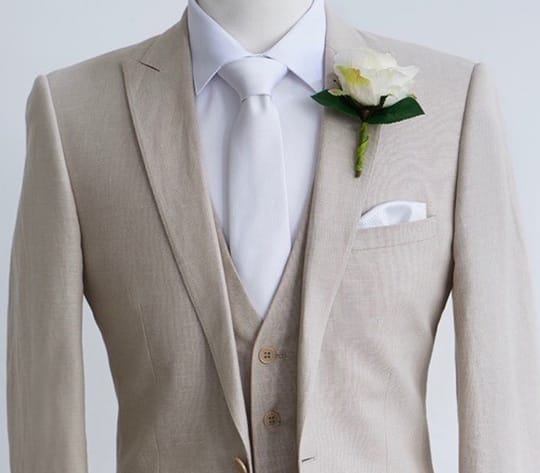
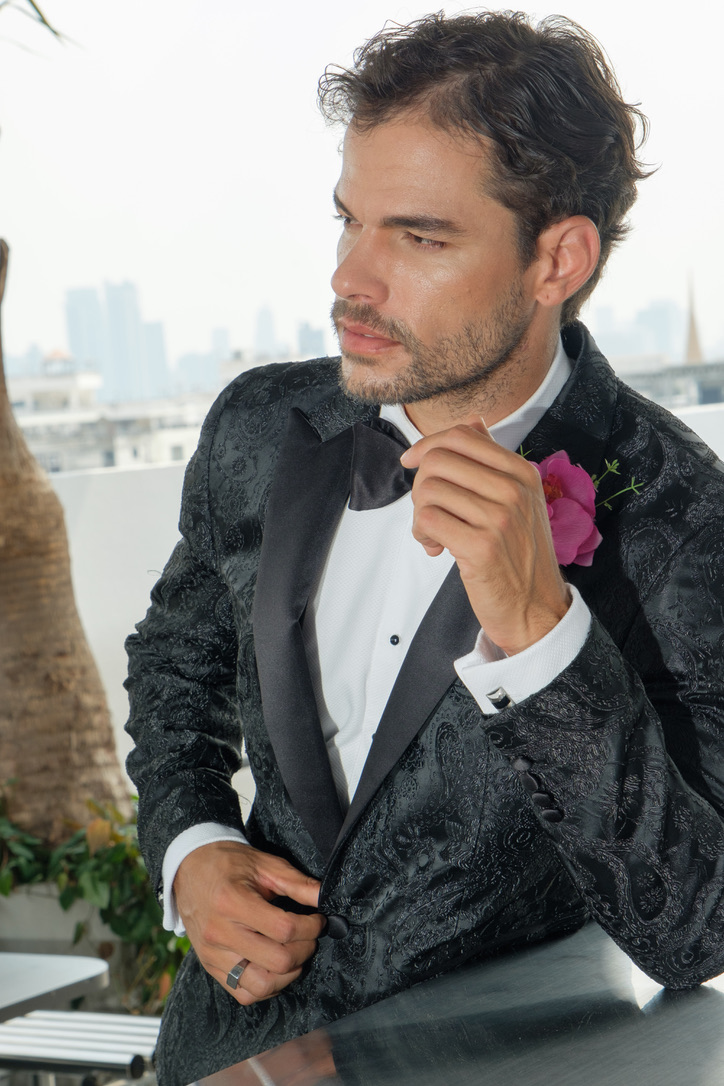
A shift in how men buy clothing
Fast fashion has taught many men to expect convenience above all else. It offers immediate availability. It offers cheap entry points. It offers seasonal trends that come and go. This has made wardrobes more varied but also more disposable.
Retail sizing is designed for range, not precision. Patterns are created to fit as many people as possible with as little variation as possible. The result is predictable. Many men own suits that sit incorrectly across the shoulders or collapse at the chest. Trousers break too far down the shoe. Sleeves end at the wrong point. These small issues add up.
Tailoring reintroduces the idea of personal fit. It slows the process down. It removes guesswork. It treats the suit as an architectural item rather than a seasonal purchase. This is why tailoring has retained its relevance, even as the wider clothing market accelerates.
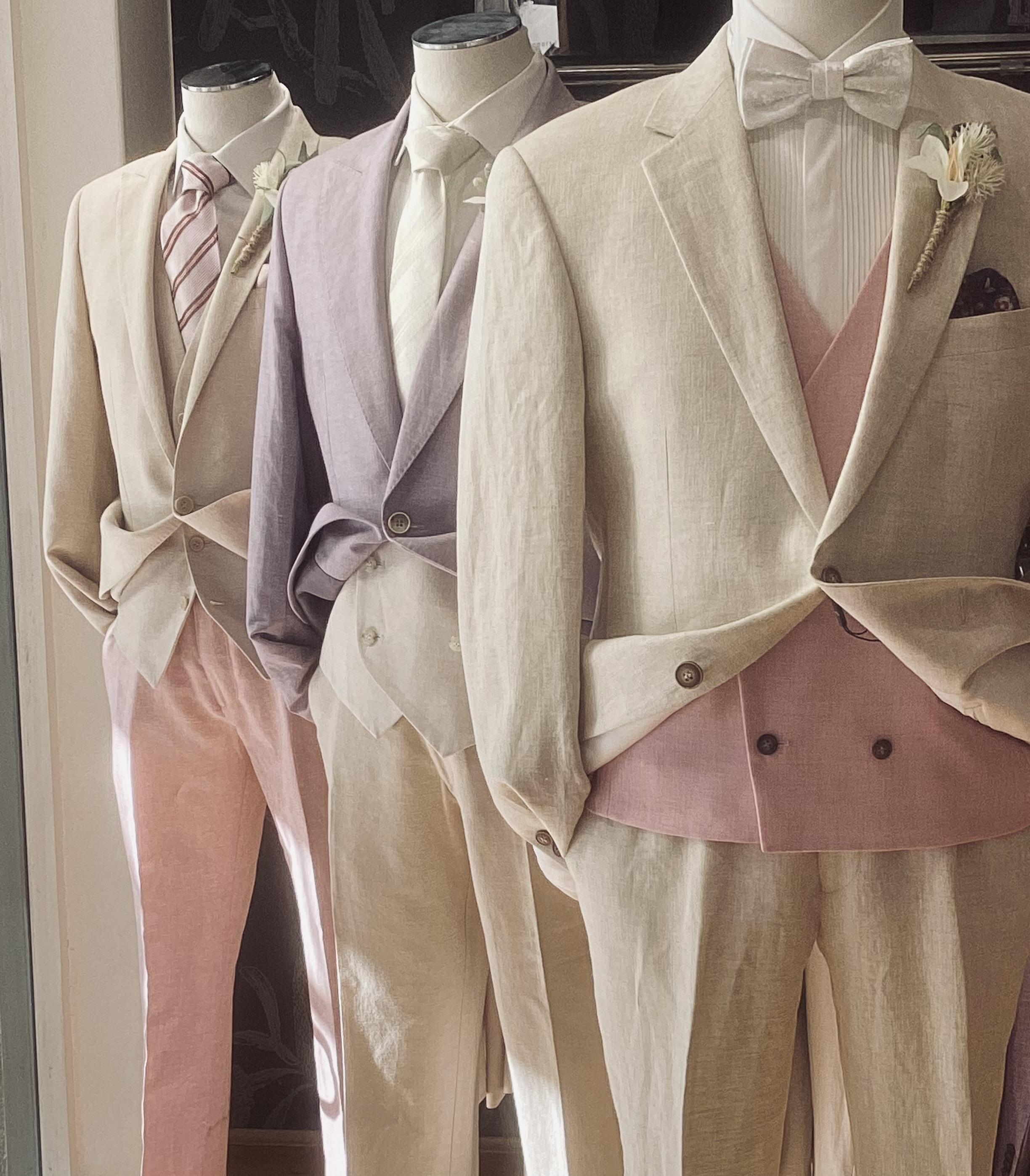

Where tailoring fits into today’s wardrobe
A suit carries different meaning now than it did decades ago. Many offices have relaxed their dress codes. Fewer men wear a suit every day. Yet the moments when a suit is required are still important.
These moments include:
- Weddings
- Engagement parties
- Award events
- Charity galas
- Corporate functions
- Black tie evenings
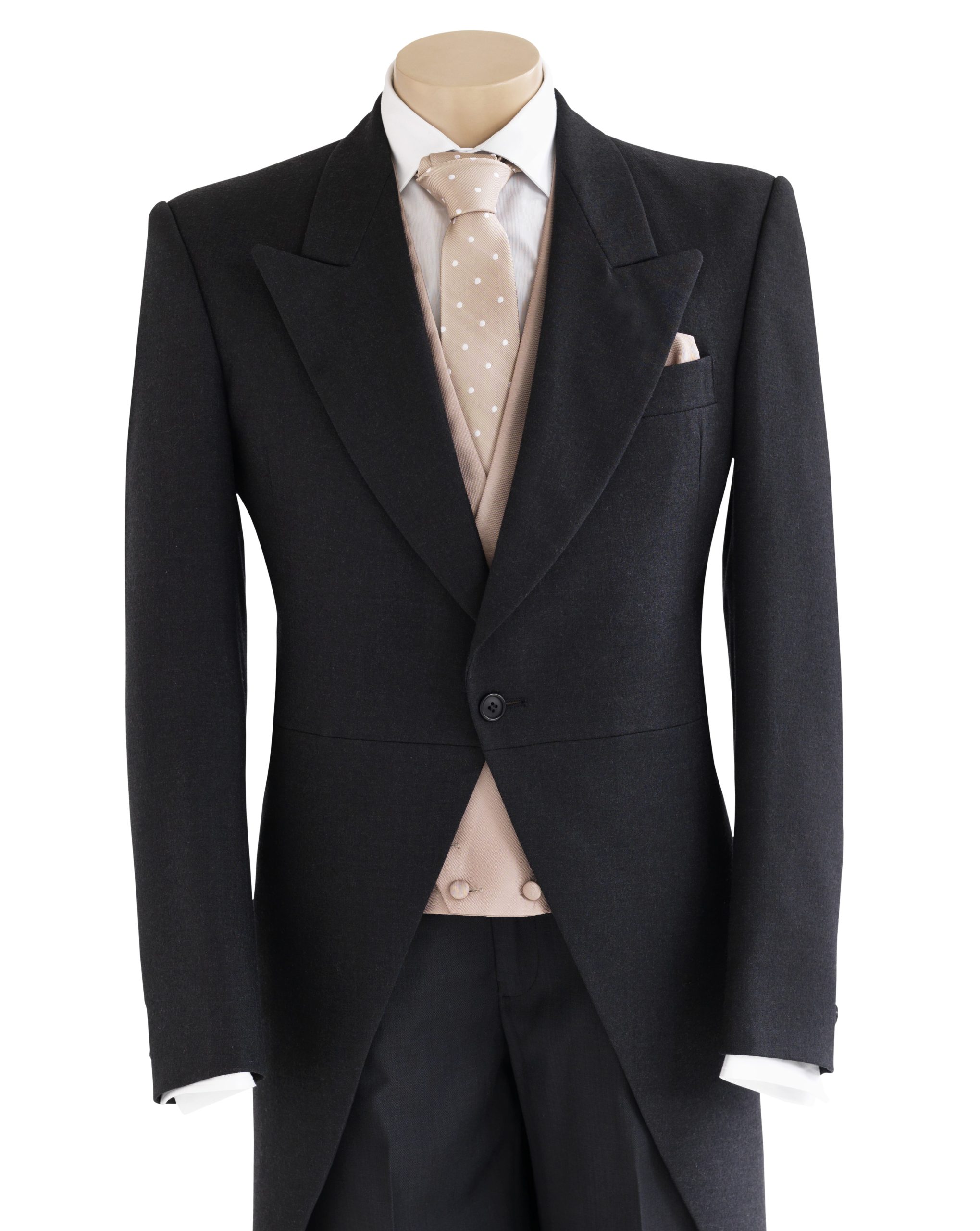
The fit of a tailored suit affects how a person stands and moves. It influences posture. It shapes the shoulder line. It creates balance between chest, waist and hip. Even men who do not wear suits often can see the difference when one is built for their frame.
Understanding the craft behind custom suits Sydney
Tailoring is less about decoration and more about construction. A quality tailor looks at the body as a set of angles, not just measurements. The aim is to build a garment that works with those angles.
Pattern making
Pattern making is the foundation. It determines how the suit rests against the body. It accounts for posture. It corrects shoulder slopes. It manages chest depth. It shapes the taper of the waist. Mass-produced suits rely on a limited set of patterns. Tailored suits adjust those patterns to the individual.
Construction
Construction varies widely between fast fashion suits and tailored garments.
Key differences include:
- Canvas structure inside the chest
- Hand-set sleeves that move more naturally
- Lapels shaped for roll, not pressed flat
- Seams reinforced for strength
- Buttons attached with stronger thread
These details extend the life of the garment. They affect how the garment behaves when worn.
Fabric selection
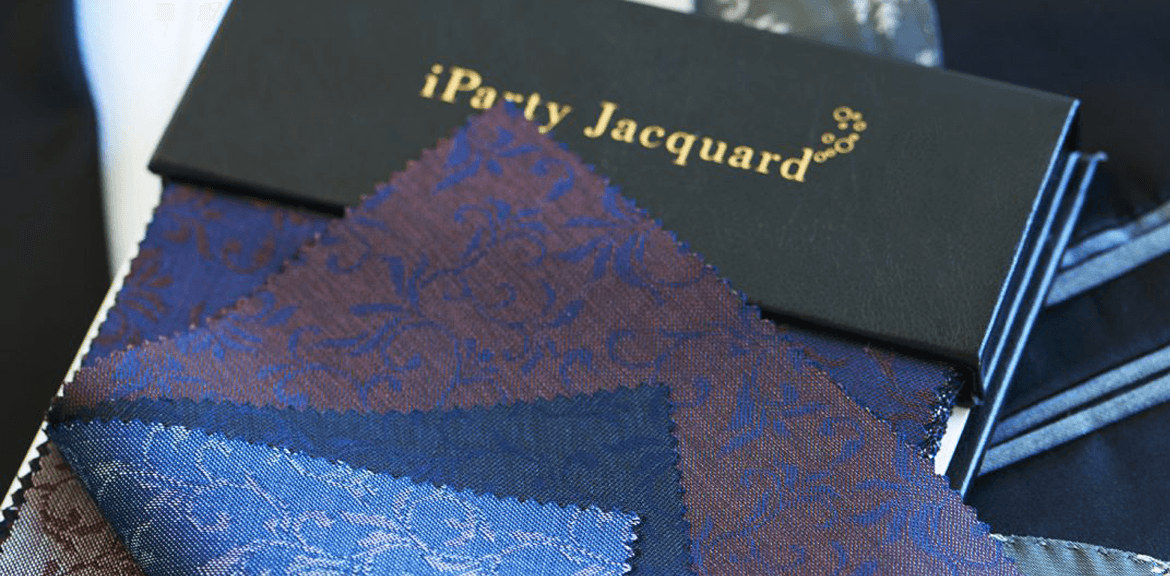
Fabrics matter more than many realise. Natural fibres hold shape better. They drape in cleaner lines. They respond to movement. They breathe. A tailored suit begins with fabric that is chosen for the environment in which it will be worn.
In Sydney this often means lighter wool, wool-silk blends or linen for warm weather weddings. Heavier cloths work well for winter and formal evening events. Tailors understand how each fabric changes the silhouette and how it should be cut to maintain structure.
Tailoring as an alternative to throwaway fashion
Fast fashion relies on planned obsolescence. The clothing is not built to age well. The appeal sits in novelty rather than endurance. Men buy more items more often, usually with less attachment.
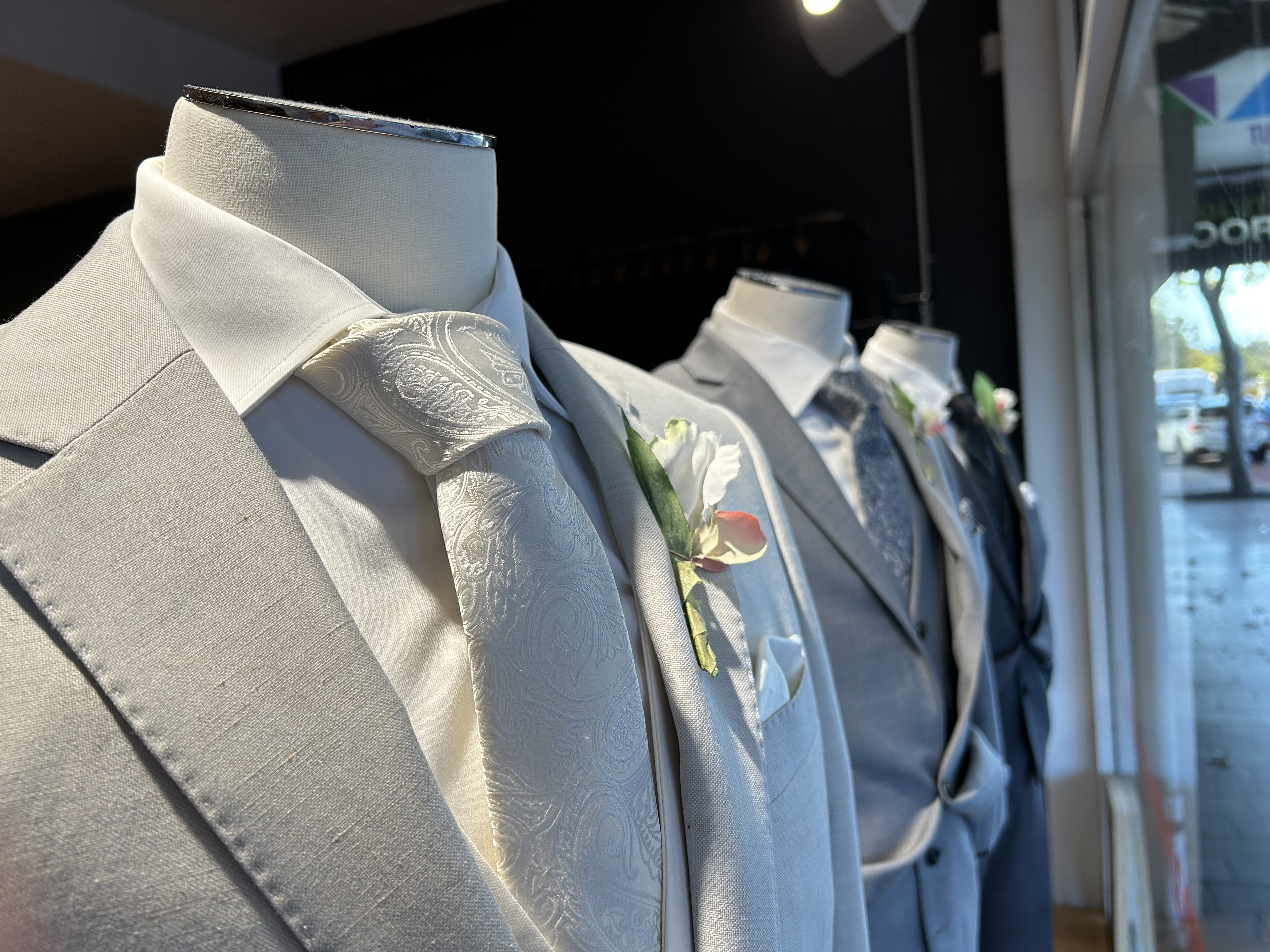
Tailoring works differently. A tailored suit is made to last. Its design is not anchored to short-term trends. Its value is in the fit and the cloth rather than its seasonality. Alterations can extend its life even further. Trousers can be taken in or let out. Sleeves can be adjusted. Jackets can be balanced to suit subtle changes in posture or weight.
Longevity
A tailored garment often survives many years of wear because it is built on stable construction. It can be pressed back into shape. It can be repaired. It can be adjusted without losing its integrity. This is not usually possible with fast fashion suits.
Tailoring also offers a quiet sustainability advantage. Buying fewer garments and making them last longer reduces waste. It encourages more thoughtful consumption. It supports local makers and skilled labour. These values align well with buyers who want quality over quantity.
Australian style culture and the role of the tailor
Australia’s formalwear culture has its own rhythm. The climate shapes fabric choices. Wedding seasons influence style. Event traditions set expectations. Within this environment, the role of the tailor remains steady.
Weddings
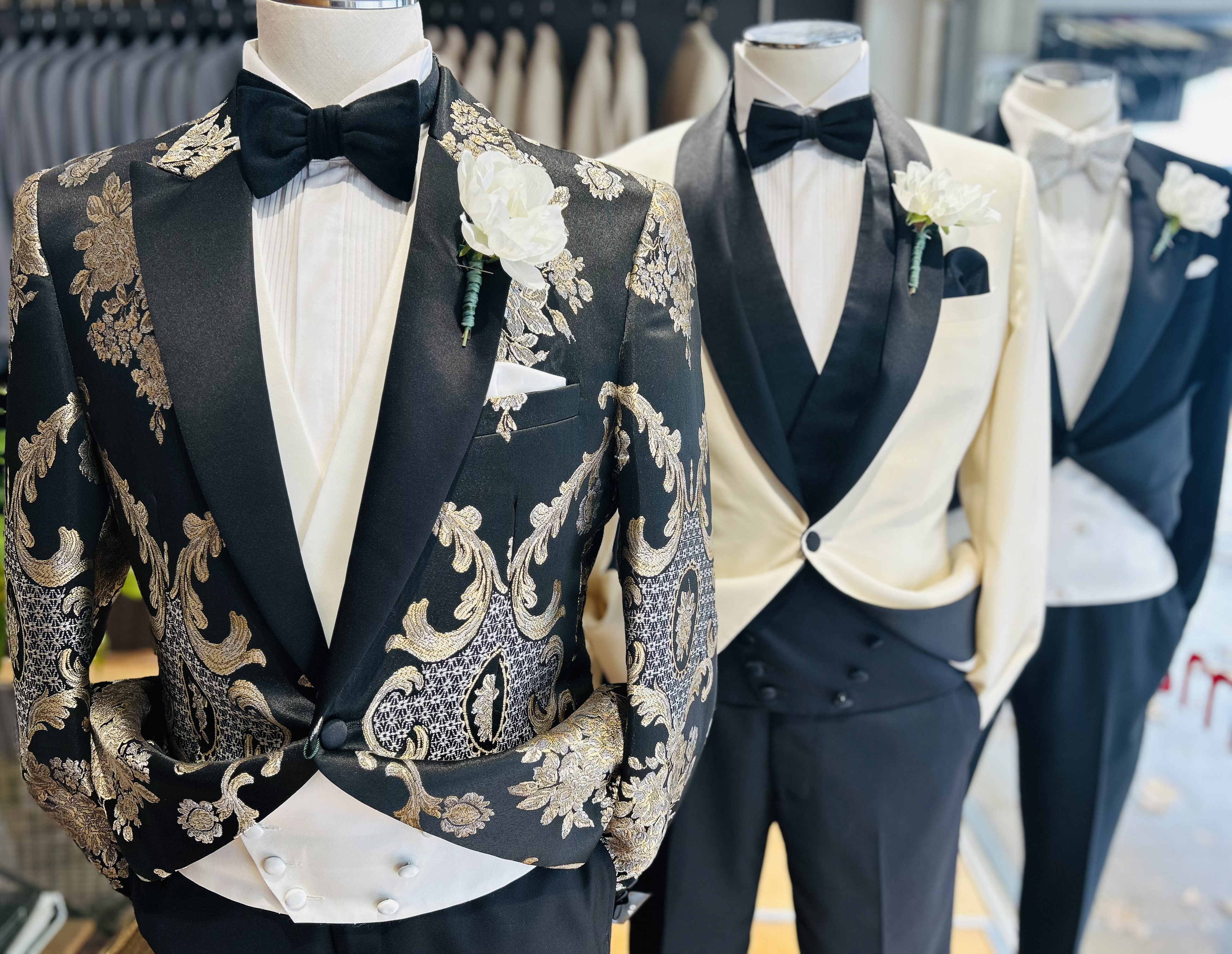
Weddings are the strongest driver of custom suits in Sydney. Grooms often want a suit that photographs well. They want a garment that feels personal. They want consistency between themselves and their groomsmen. Tailoring helps achieve these outcomes.
Events and milestone moments
From black tie dinners to corporate award nights, formal events favour suits that hold structure and shape. Tailoring ensures the garment looks correct when standing, walking or seated. It prevents the common issues seen in mass-produced suits such as collapsing lapels or tight armholes.
Why fast fashion struggles with formalwear
Fast fashion suits often appear acceptable on the hanger but rarely hold their shape once worn. The materials and patterns are designed for broad compatibility, not precision.
Common issues include:
Chest panels without structure
These issues are difficult to correct because the garment was never designed to be altered extensively. Many suits rely on fused construction that breaks down with heat or moisture. Tailored suits avoid these problems through better materials and careful shaping.
What sets a skilled tailor apart?
Tailors spend years learning how to balance proportion. They read posture. They understand shoulder rotation. They observe how weight is carried through the hip and leg. This informs how the suit should be cut.
A skilled tailor can see when:
- A jacket needs more balance
- A shoulder needs softening
- A trouser needs tapering
- A sleeve needs rotation
- A waist needs subtle shaping
These adjustments are often small. They are also the difference between a suit that looks acceptable and a suit that looks intentional.

When is a custom suit is worth the investment?
There are clear situations where a tailored suit is the better choice.
Weddings and high-visibility events
A custom suit offers control over fabric, cut and silhouette. It ensures the groom stands out without looking forced.
Unique body shapes
Men who are tall, short, broad or narrow often struggle with retail sizing. A tailored suit resolves these inconsistencies.
Long-term use
How Peppers approaches custom tailoring
Peppers has worked with custom garments since 1988. Experience shapes the approach. Every pattern is considered. Every adjustment is handled in-house. This ensures quality control from the first measurement to the final fitting.
Peppers offers:
Tailoring will continue to thrive
The appeal of tailored clothing has endured because it addresses needs that fast fashion does not. It respects structure, balance and personal fit. It values materials that age well. It offers consistency in moments that matter, from weddings to major events. As trends continue to change quickly, tailoring remains steady. It provides clarity in a crowded clothing landscape. It also preserves a craft that has shaped men’s formalwear for generations.
Frequently Asked Questions about Tailored Suits
Are custom suits only for formal occasions?
How long does a custom suit usually take?
It depends on fabric selection, construction method and manufacturer schedules.