
What Actually Goes Wrong With Wedding Suit Hire (And How to Avoid the Last-Minute Stress)
So you book in, assuming it’ll take ten minutes. Stand still, get measured, pick a suit, done. Then you can get on with the rest of your Saturday.
That’s not quite how it works. And the difference between showing up for measurements and actually getting fitted is the difference between a suit that technically fits and one that you can actually wear for six hours without wanting to tear it off.
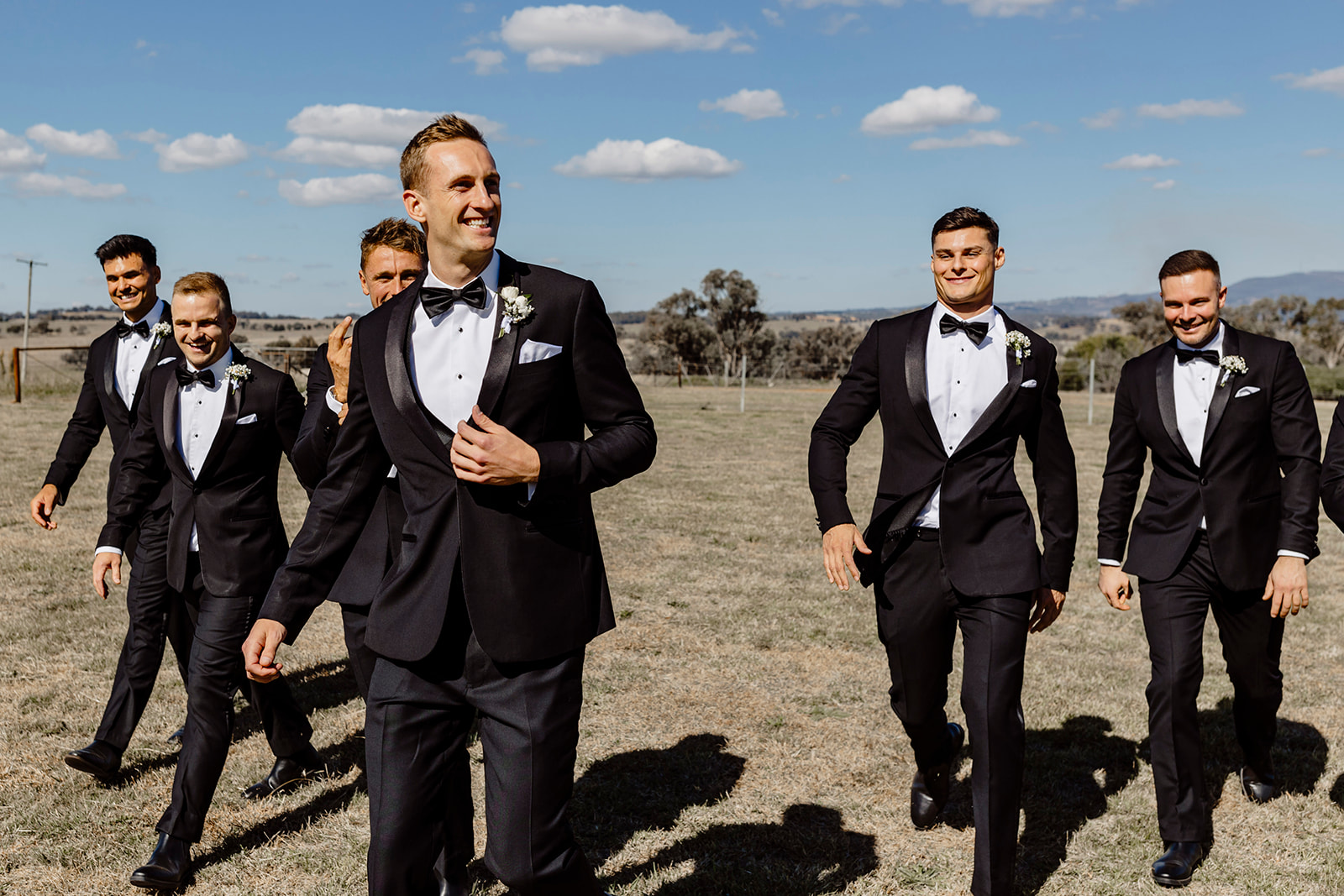
Numbers don’t tell the full story
A tape measure will give you chest, waist, sleeve length, inside leg. Those numbers are useful. They get you in the ballpark. But they don’t account for how you actually exist in three dimensions, or how you move, or the fact that your left shoulder sits slightly higher than your right.
This is why blokes who order suits online based on their measurements often end up with something that looks fine on the hanger but feels wrong the moment they put it on. The numbers are right. The fit isn’t.
How you move matters more than how you stand
A proper fitting isn’t about standing at attention while someone checks if the jacket buttons up. It’s about seeing how the suit behaves when you actually do things.
Sit down. Does the jacket ride up and bunch at the back? Do the trousers pull uncomfortably across the thighs? Walk across the room. Do the shoulders feel restricted? Raise your arms like you’re reaching for something on a high shelf. Where do the sleeves end up?
Most men don’t think about this until they’re halfway through a wedding reception and realising the jacket that felt fine when they tried it on is now digging into their armpits every time they move.
A good fitter watches for these things. They’ll have you sit, stand, move around, check how the fabric responds to actual use rather than just static positioning. Then they’ll make adjustments – letting out the back slightly, shortening the sleeves, adjusting the break on the trousers – so the suit works with your body instead of against it.

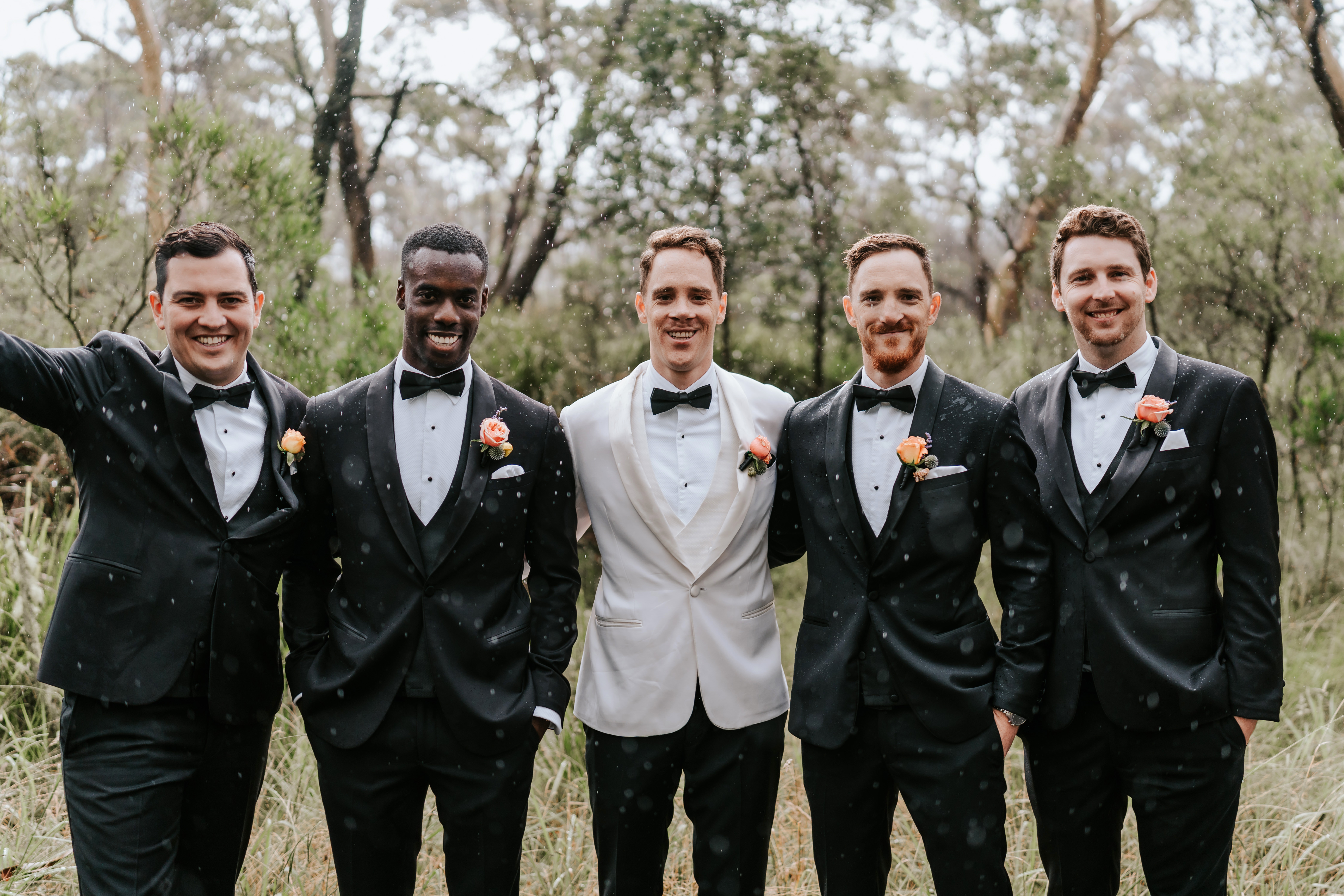
Comfort shapes how you look
Here’s something most men don’t consider: an uncomfortable suit makes you look uncomfortable.
When something’s pulling or binding or sitting wrong, you adjust it constantly. Tugging the jacket down. Rolling your shoulders to ease the tightness across the back. Shifting your stance because the trousers are cutting in.
That shows in photos. It shows in how you carry yourself. No matter how well the suit’s cut or how expensive the fabric, if you’re constantly aware of wearing it, that awareness translates to tension.
A suit that fits properly disappears. You forget it’s there. Your shoulders relax, your posture settles, and you look like someone who wears suits regularly rather than someone who’s been forced into one for the occasion.
That’s what fitters are aiming for – not perfection on a mannequin, but comfort in motion.
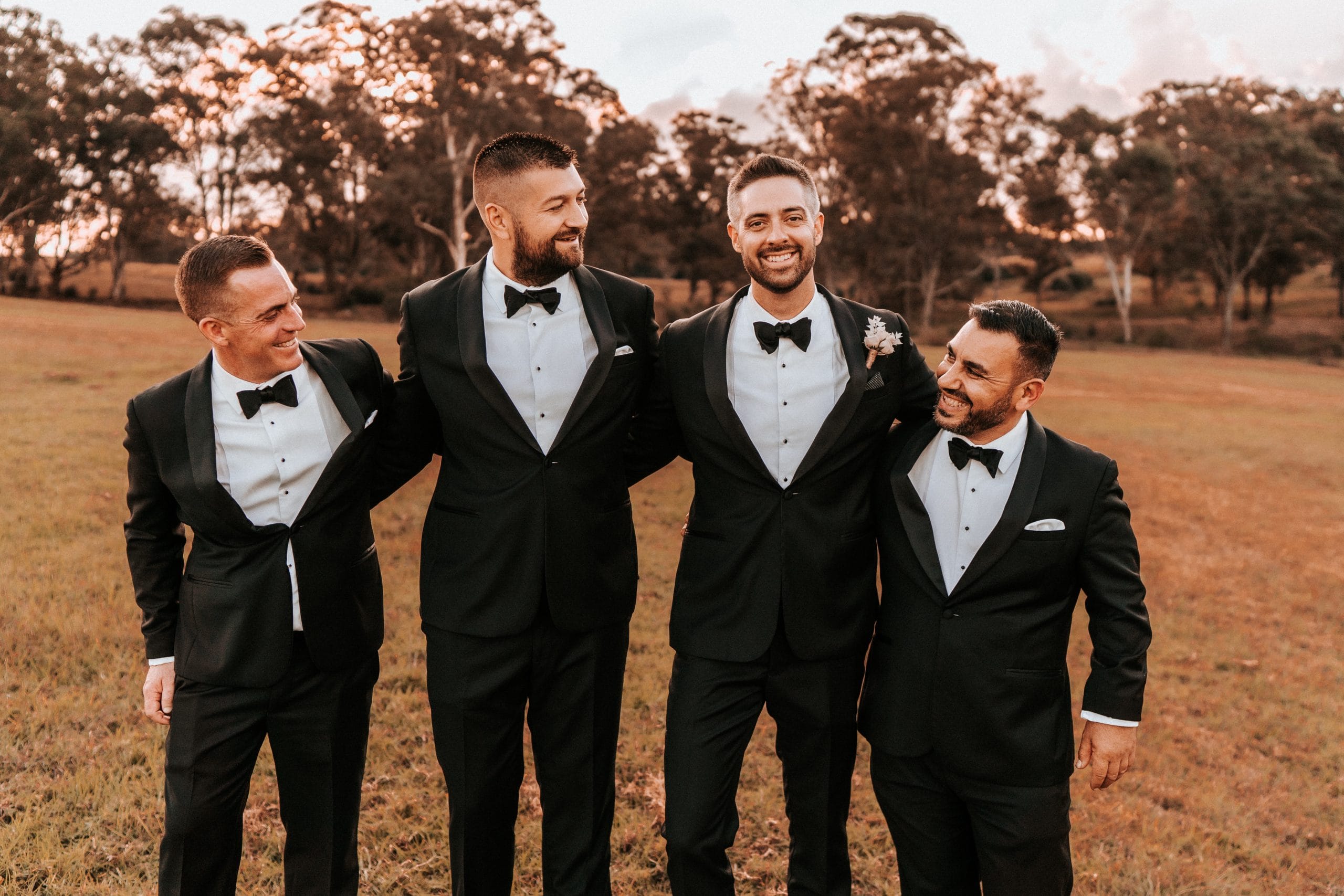
Posture isn’t fixed
Most men stand differently at a fitting than they do six hours into a wedding. The fitting happens when you’re fresh. The event happens after you’ve been on your feet for hours, probably had a few drinks, and your natural posture has shifted.
Some men stiffen up when they’re being measured – shoulders back, standing straight like they’re at a military inspection. Then on the day, they slouch slightly or lean forward when talking, and suddenly the jacket that looked perfect is pulling across the shoulders or gaping at the collar.
A fitter who knows what they’re doing will watch for these tendencies. They’ll notice if you naturally carry one shoulder higher, or if you tend to lean when you stand, or if your posture changes when you relax. Then they’ll adjust the suit to account for that, so it still sits well when you’re not actively thinking about standing straight.
It’s subtle work. Most men won’t notice it’s happened. But they’ll notice the result – a jacket that looks good in the photos even after six hours of wearing it.
The last-minute panic
The predictable disaster scenario goes like this: bloke picks up his suit two days before the wedding. Tries it on for the first time. The sleeves are too long, the trousers are binding, the jacket doesn’t sit right across the shoulders.
Now there’s panic. Can it be fixed? How long will it take? What if it can’t be sorted in time?
This is why fittings exist. Not because there’s definitely going to be a problem, but because if there is one, you want to find out when there’s still time to fix it without stress.
Get fitted properly early enough and these surprises don’t happen. Or if they do, they’re manageable adjustments rather than last-minute emergencies.
The small stuff adds up
Most alterations made during fittings are minor. Sleeves shortened by a centimetre. Jacket taken in slightly at the waist. Trouser break adjusted so they sit cleanly on the shoe.
Individually, none of these changes seem significant. But together they’re the difference between a suit that looks hired and one that looks like it was made for you.
This is particularly obvious in photos. A jacket that’s fractionally too long in the sleeve will show in every shot where your hands are visible. Trousers that bunch at the ankle look sloppy. A collar that doesn’t sit flat against your neck is distracting.
These are the details that people don’t consciously register but collectively affect whether you look put-together or not.
First-timers assume it’s simpler than it is
Men hiring a suit for the first time often think the process works like buying jeans. You know your size, you pick the style, you take them home.
Suit hire doesn’t work that way because the goal isn’t ownership – it’s looking right for a specific event. The suit exists for one day, maybe one evening, and it needs to perform flawlessly for that duration.
That’s what fittings are for. They turn a generic garment that happens to be roughly your size into something that actually works with your specific body, your specific posture, your specific way of moving.
It’s not complicated. It’s just different from how most men usually buy clothes. And understanding that early makes the whole process considerably less stressful.
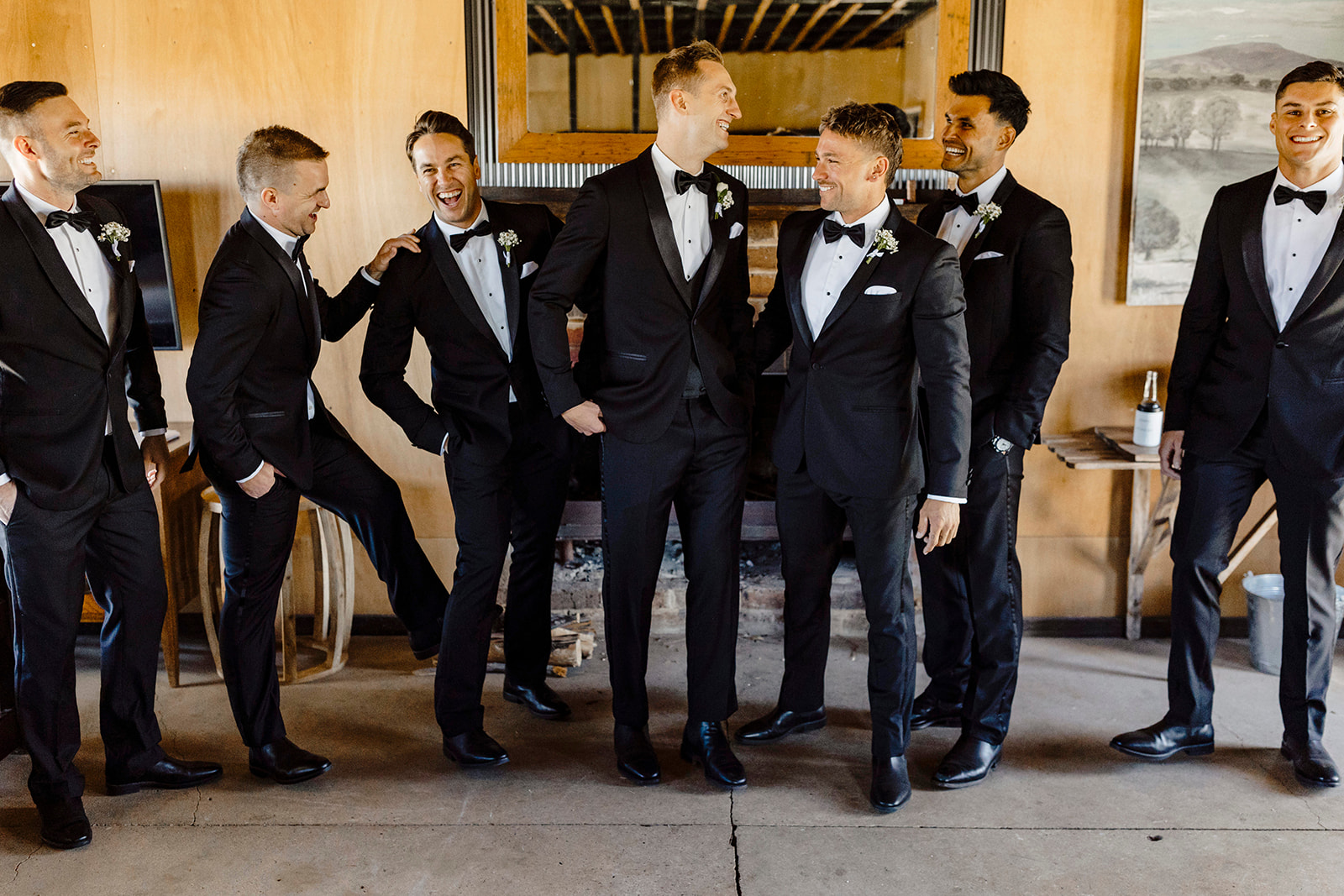
What actually matters
Brand names don’t matter as much as men think they do. Neither does fabric weight or the number of buttons or whether the lapels are peak or notch.
What matters is whether the suit fits well enough that you can forget about it. Whether you can sit through a ceremony without adjusting your jacket every five minutes. Whether you can dance at the reception without feeling restricted. Whether you look relaxed in the photos because you genuinely are relaxed.
That’s what proper fittings deliver. Not perfection, but comfort. And comfort, reliably, makes everything else fall into place.
The men who understand this early save themselves a lot of stress. The ones who assume measurements are enough usually work it out eventually – typically around the point where they’re standing in front of a mirror two days before an event, realising something’s not quite right and wishing they’d booked that fitting appointment when there was still time to fix it properly.